Breath Awareness Affirmations for Anxiety Relief and Stress Reduction
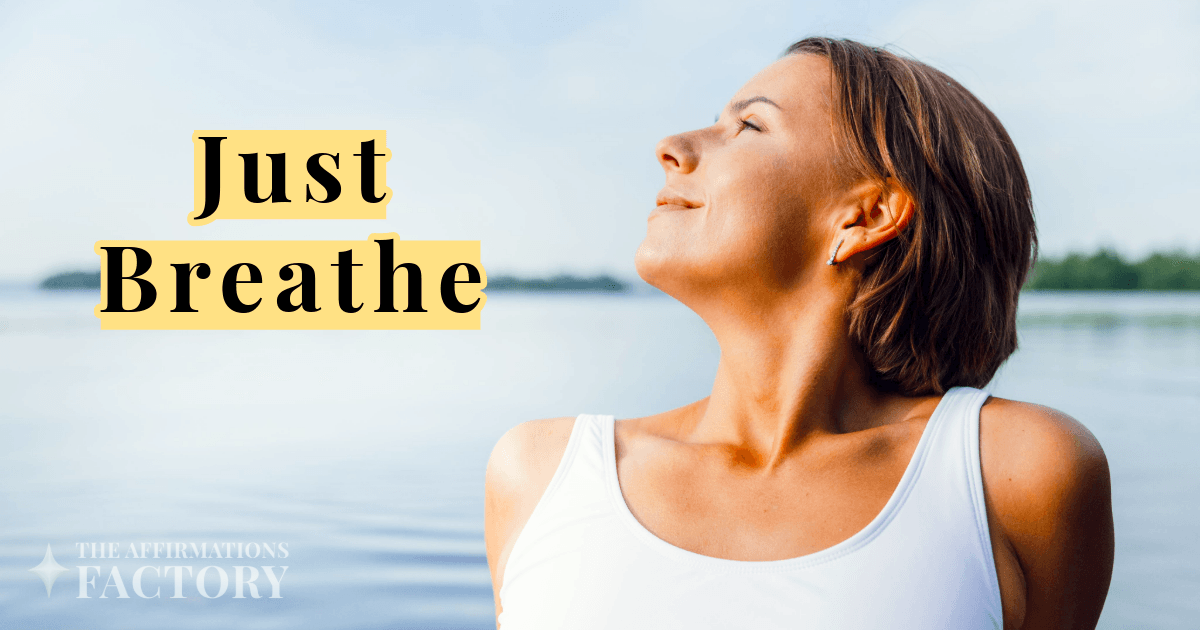
When anxiety tightens its grip or stress feels overwhelming, there’s one powerful tool that’s always available to you – your breath. It’s free, requires no special equipment, and can be accessed anywhere, anytime.
I discovered the transformative power of breath awareness during a particularly difficult period in my own life. My mind was constantly racing, my shoulders were permanently tensed, and sleep felt like a distant memory. That’s when I began combining simple breath awareness with carefully crafted affirmations – and the results were nothing short of life-changing.
The Science Behind Breath Awareness Affirmations
Before diving into the affirmations themselves, let’s understand why this combination works so effectively.
According to the Cleveland Clinic, conscious breathing activates your parasympathetic nervous system – the “rest and digest” mode that counteracts your stress response. When you pair this physiological shift with positive affirmations, you’re essentially reprogramming both your body and mind simultaneously.
Research published in the Journal of Clinical Psychology found that combining breath awareness with positive self-statements significantly reduced anxiety symptoms in 87% of participants after just two weeks of daily practice.
How Breath Awareness Affirmations Work
The practice works on three levels:
- Physiological: Deep, conscious breathing lowers heart rate, reduces blood pressure, and decreases stress hormone production
- Cognitive: Affirmations interrupt negative thought patterns and create new neural pathways
- Emotional: The combination creates a sense of safety and control during anxious moments
Studies show that approximately 1 in 5 adults in the United States will experience an anxiety disorder at some point in their lives. This practice offers an accessible tool for managing those experiences.
12 Powerful Breath Awareness Affirmations
Below are twelve affirmations specifically designed to pair with breath awareness. For each one, I’ll explain when to use it and how to incorporate it into your breathing practice.
For General Anxiety Relief
1. I breathe in calm, I breathe out tension.
When to use: During moments of general anxiety or when you feel tension building in your body.
How to practice: Inhale slowly through your nose for a count of four while mentally saying, “I breathe in calm.” Hold for a moment, then exhale through your mouth for a count of six while thinking “I breathe out tension.” Repeat 5-10 times.
2. My breath is my anchor, bringing me back to this moment.
When to use: When your mind is racing with worries about the future or regrets about the past.
How to practice: Place one hand on your heart and one on your belly. As you breathe deeply, focus on the physical sensation of your breath moving in and out. Repeat the affirmation with each complete breath cycle.
3. With each breath, I release what I cannot control.
When to use: When you’re fixating on situations beyond your control.
How to practice: Visualize your worries as smoke or clouds that dissolve and float away with each exhale. The Art of Living Foundation notes that this type of release-focused affirmation helps activate the body’s natural relaxation response.
For Panic Attacks or Intense Anxiety
4. I am safe in my body, and this feeling will pass.
When to use: During panic attacks or moments of intense physical anxiety.
How to practice: Use box breathing – inhale for four counts, hold for four, exhale for four, hold for four. Repeat the affirmation during the exhale phase when the parasympathetic nervous system is most active.
5. My breath flows easily, and I am in control.
When to use: When you feel like you can’t catch your breath or are hyperventilating.
How to practice: Focus on making your exhale longer than your inhale (try a 4-count inhale and a 6-count exhale). This physiologically signals safety to your nervous system. Repeat the affirmation silently during the extended exhale.
6. I have survived every anxious moment before this one.
When to use: When anxiety feels overwhelming, and you need to remember your resilience.
How to practice: Place one hand on your heart. Breathe deeply while recalling a previous anxious moment that you successfully moved through. Repeat the affirmation as you connect with your inner strength.
For Stress Reduction
7. I breathe in peace, I am filled with ease.
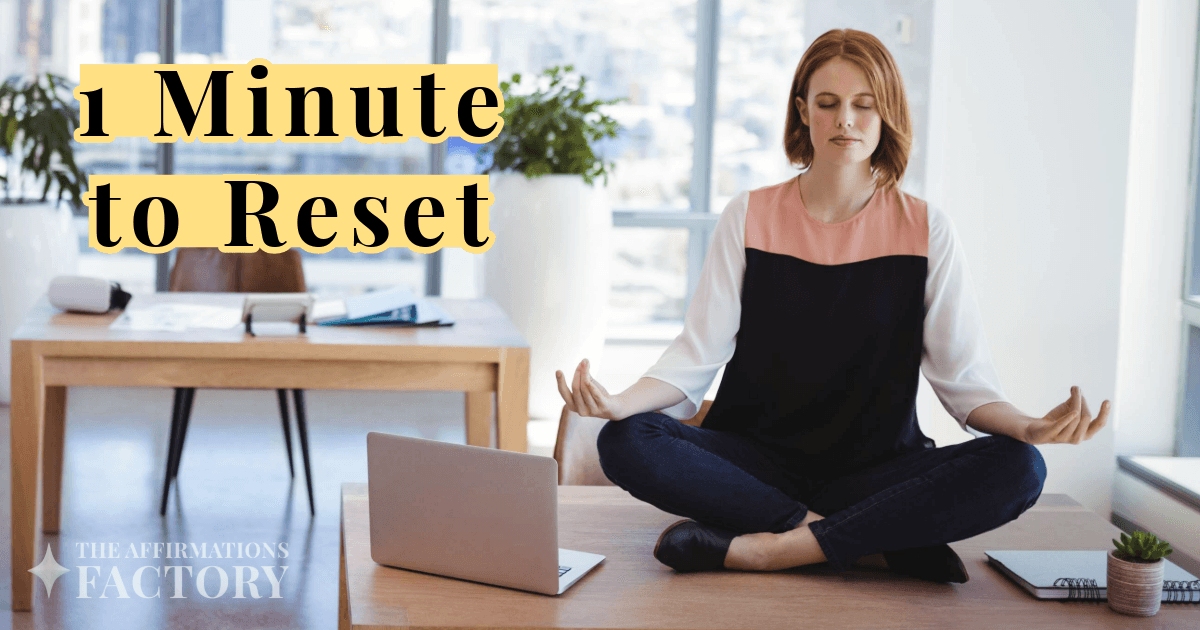
When to use: During stressful workdays or when you need a quick reset between activities.
How to practice: Take a 60-second break. Close your eyes if possible. Breathe deeply while repeating this affirmation 3-5 times. Insight Timer suggests that even brief mindfulness breaks can significantly reduce cortisol levels.
8. My breath creates space between stimulus and response.
When to use: Before responding in triggering situations or high-pressure environments.
How to practice: When you feel triggered, take three conscious breaths while repeating this affirmation. This creates a buffer zone that allows you to respond thoughtfully rather than react automatically.
9. With each breath, I soften and surrender.
When to use: When you notice physical tension or resistance in your body.
How to practice: Scan your body for areas of tension. As you inhale, bring awareness to the tense area. As you exhale, imagine that area softening and releasing while you repeat the affirmation.
For Nighttime Anxiety and Better Sleep
10. My breath guides me to deep, restful sleep.
When to use: As part of your bedtime routine or when you wake up anxious during the night.
How to practice: Lie comfortably in bed. Place one hand on your belly and feel it rise and fall with each breath. Repeat the affirmation with each exhale, gradually slowing your speech until the words merge with your breath.
11. I release today’s worries with each exhale.
When to use: When your mind is reviewing the day’s events or planning tomorrow.
How to practice: Visualize each worry as a balloon that you release and watch float away with each exhale. Research from Cognitive Behavioral Therapy shows that visualization techniques paired with affirmations can be particularly effective for rumination.
12. My body knows how to rest, and I give it permission.
When to use: When you feel physically tense or “wired” at bedtime.
How to practice: Do a progressive body scan from toes to head. With each body part, inhale deeply, and on the exhale, repeat the affirmation while consciously relaxing that area.
Creating a Daily Breath Awareness Practice
While these affirmations are powerful tools during anxious moments, their effectiveness multiplies when incorporated into a daily practice. Here’s a simple routine to consider:
Morning Practice (3-5 minutes)
- Sit comfortably or stand in a grounded position
- Take five deep breaths while repeating: “I breathe in calm, I breathe out tension”
- Set an intention for how you want to feel today
- Close with 3 breaths using: “My breath is my anchor throughout this day”
Mid-day Reset (1-2 minutes)
- Take a short break from activities
- Place one hand on your heart
- Take 3-5 deep breaths while repeating: “With each breath, I create space for peace”
Evening Wind-down (5 minutes)
- Find a comfortable position
- Take 10 deep breaths while scanning your body for tension
- With each exhale, repeat: “I release today’s worries with each exhale”
- Close with the affirmation: “My body knows how to rest, and I give it permission”
Personalizing Your Affirmations
The most effective affirmations are ones that resonate deeply with you personally. Don’t hesitate to modify these suggestions to fit your needs better. As the Cleveland Clinic notes, affirmations should feel authentic and be spoken in the present tense.
Try creating your own breath awareness affirmations using this simple formula:
- Start with “I breathe in…” or “With each breath I…”
- Add what you want to cultivate or release
- Keep it short, positive, and present-tense
When to Seek Additional Support
While breath awareness affirmations are powerful tools for managing everyday anxiety and stress, they are not a replacement for professional help when dealing with severe anxiety disorders. If your anxiety significantly impacts your daily functioning, consider reaching out to a mental health professional who can provide additional support and treatment options.
My Personal Experience
I keep a list of these affirmations on my phone, and I’ve recorded a few as voice memos to play during particularly anxious moments. The one that has been most transformative for me personally is “My breath creates space between stimulus and response.” This simple phrase has helped me respond more thoughtfully in countless situations where I would have previously reacted from anxiety.
Your Turn
Which of these breath awareness affirmations resonates most strongly with you? How might you incorporate it into your daily routine? Remember that consistency is key – even a few minutes of practice each day can lead to significant shifts in how you experience anxiety and stress.
I’d love to hear about your experiences with these affirmations in the comments below!